
Top Zero Trust Security Tools for Modern Enterprises in 2026
-
 By Mrityunjay Singh
 - BLOGS
- Mar 25, 2026
- 3 minutes read
- 242 Views
Cybersecurity is no longer about protecting a fixed perimeter. In today’s hybrid, cloud-first world, the old “trust but verify” model is dead.
Welcome to Zero Trust Security—where the rule is simple:
👉 “Never Trust, Always Verify.”
With rising data breaches, insider threats, and remote work environments, Zero Trust has become the default security model for modern enterprises in 2026.
In this blog, we explore the top Zero Trust tools, how they work, and why every organization must adopt them.
What is Zero Trust Security?
Zero Trust is a cybersecurity framework that assumes:
- No user or device is trusted by default
- Every access request must be verified
- Continuous authentication is required
Unlike traditional models, Zero Trust focuses on:
- Identity verification
- Device security
- Least privilege access
- Continuous monitoring
Why Zero Trust is Trending in 2026
The shift is happening because:
- Remote & hybrid work is permanent
- Cloud applications are everywhere
- Insider threats are increasing
- AI-powered attacks are bypassing traditional defenses
👉 Result: Companies are moving toward identity-first security models.
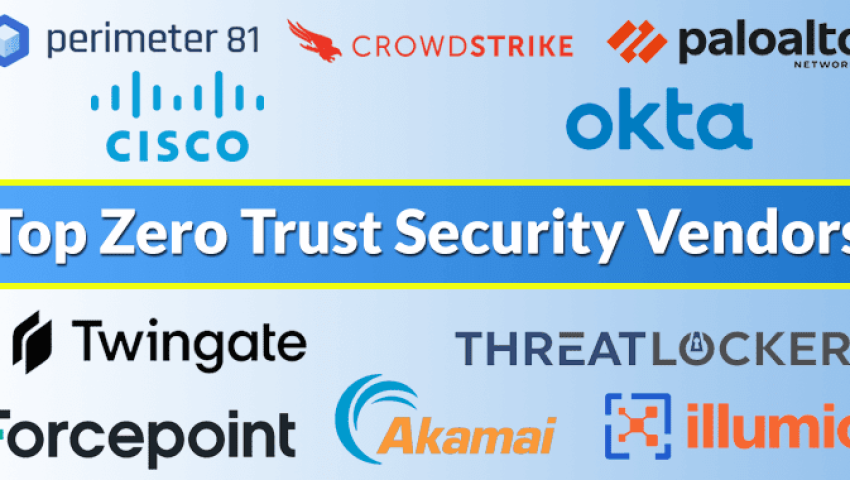
Top Zero Trust Security Tools for Enterprises
1. Zscaler Zero Trust Exchange – Cloud-Native Zero Trust
Zscaler is a leader in Zero Trust architecture, offering secure access without VPNs.
Key Features:
- Secure web gateway
- Zero Trust Network Access (ZTNA)
- Cloud firewall
- Data loss prevention
👉 Why it stands out:
Eliminates the need for traditional network perimeter security.
2. Cloudflare Zero Trust – Fast & Scalable Security
Cloudflare provides Zero Trust services with global performance and strong protection.
Key Features:
- Identity-based access control
- Secure DNS filtering
- Browser isolation
- DDoS protection
👉 Best for:
Startups to enterprises needing scalable security.
3. Okta – Identity is the New Perimeter
Okta focuses on identity and access management (IAM), a core pillar of Zero Trust.
Key Features:
- Single Sign-On (SSO)
- Multi-factor authentication (MFA)
- Adaptive access policies
- Lifecycle management
👉 Why it’s critical:
Zero Trust starts with strong identity verification.
4. Palo Alto Networks Prisma Access – Enterprise-Grade Protection
Prisma Access delivers Zero Trust security with deep visibility and control.
Key Features:
- Secure access for remote users
- Threat prevention
- Cloud-delivered firewall
- Advanced analytics
👉 Ideal for:
Large enterprises with complex infrastructure.
5. Microsoft Entra ID – Integrated Zero Trust Identity
Microsoft’s identity platform is widely used in enterprise environments.
Key Features:
- Conditional access policies
- Identity protection
- Seamless integration with Microsoft services
- Risk-based authentication
👉 Why it’s trending:
Strong integration with enterprise ecosystems.
6. Cisco Duo – Simple & Effective MFA
Cisco Duo provides easy-to-use multi-factor authentication.
Key Features:
- Push-based authentication
- Device trust verification
- Zero Trust access control
- User-friendly interface
👉 Best for:
Organizations starting their Zero Trust journey.
Core Pillars of Zero Trust Architecture
To fully implement Zero Trust, organizations must focus on:
🔹 Identity Security
Verify users with MFA and behavioral analytics
🔹 Device Security
Ensure only trusted devices access systems
🔹 Network Security
Use ZTNA instead of traditional VPNs
🔹 Data Protection
Encrypt and monitor sensitive data
🔹 Continuous Monitoring
Track user behavior in real time
Benefits of Zero Trust Security
- Reduced risk of data breaches
- Protection against insider threats
- Secure remote workforce
- Better visibility and control
- Compliance with modern regulations
Mrityunjay Singh
Leave a comment
Your email address will not be published. Required fields are marked *