
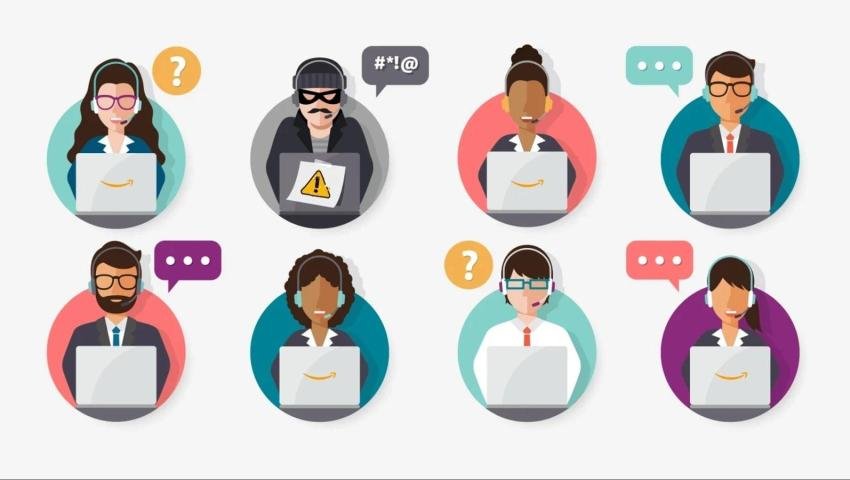
This New Scam Is Fooling Everyone in India (Stay Alert!)
-
 By Mrityunjay Singh
 - BLOGS
- May 06, 2026
- 4 minutes read
- 145 Views
A new scam is rapidly spreading across India in 2026. Learn how it works, real examples, warning signs, and how to protect yourself from cyber fraud.
In 2026, cyber scams in India have reached a new level. They are no longer easy to detect or poorly designed. Instead, they look real, sound convincing, and often create a sense of urgency that pushes people into making quick decisions.
Many victims don’t even realize they are being scammed until it’s too late. From fake KYC updates to UPI fraud messages and impersonation calls, attackers are targeting everyday users across the country.
This new wave of scams is dangerous because it combines technology, psychology, and timing—making it extremely effective.
How This New Scam Works

The scam usually begins with a message, call, or notification that appears urgent. It may claim that your bank account will be blocked, your KYC needs updating, or a payment is pending.
Once you engage, the attacker tries one of several tactics. In some cases, they send a fake link that leads to a phishing page where you unknowingly enter sensitive information. In others, they request you to approve a UPI “collect request,” which actually transfers money out of your account instead of receiving it.
Another common trick involves asking you to install a remote access app under the pretext of helping you resolve an issue. Once installed, the attacker gains control of your device and can access banking apps, messages, and personal data.
Real-Life Scenario


A typical case looks like this: a person receives a call from someone claiming to be from the bank. The caller speaks professionally and warns that the account will be blocked unless immediate action is taken. The victim is guided step-by-step—either to click a link, share an OTP, or approve a request.
Within minutes, money is deducted. By the time the victim realizes what happened, the transaction is complete and difficult to reverse.
Warning Signs You Should Never Ignore


These scams always leave clues. Messages that create urgency—such as “act now” or “account blocked”—are a major red flag. Calls from unknown numbers claiming to be official support should always be verified.
No legitimate bank or service provider will ever ask for your OTP, PIN, or password. Similarly, unexpected payment requests or links should never be trusted without confirmation.
Recognizing these signs early can prevent serious financial loss.
How to Protect Yourself


Staying safe requires a combination of awareness and simple precautions. Always verify any message or call before taking action. Avoid clicking on unknown links, especially those related to banking or payments.
Enable two-factor authentication on important accounts and keep your mobile apps updated. When using UPI, remember that receiving money never requires approving a request—this simple rule can prevent many scams.
Blocking suspicious numbers and reporting fraudulent activity helps not only you but also others who might be targeted next.
What To Do If You Become a Victim


If you suspect that you’ve been scammed, immediate action is critical. Contact your bank right away and request to block or freeze your account if necessary. Reporting the incident as soon as possible increases the chances of limiting the damage.
You should also file a complaint on the official National Cyber Crime Portal India , which handles online fraud cases across the country. Keeping records of messages, transaction IDs, and call details can support your case.
Why This Scam Is Spreading Fast
The rapid growth of digital payments in India has made transactions faster and more convenient—but also more vulnerable. Scammers are using advanced techniques, including AI-generated messages and caller ID spoofing, to appear more legitimate.
At the same time, many users are still unaware of basic security practices, making them easy targets. This combination of advanced tactics and low awareness is driving the rise of such scams.
Final Conclusion
This new scam is not just a technical threat—it’s a psychological trap. It relies on urgency, fear, and trust to manipulate users into making quick decisions.
The best defense is awareness. Taking a moment to verify before acting can prevent irreversible damage. In today’s digital world, staying alert is the only way to stay safe.
👉 If something feels urgent or suspicious, pause and verify—it could save your money and your data.
Mrityunjay Singh
Leave a comment
Your email address will not be published. Required fields are marked *