
Real Case Studies: How Cyber Forensic Tools Solved Crimes (2026 Guide)
-
 By Mrityunjay Singh
 - BLOGS
- Mar 28, 2026
- 3 minutes read
- 179 Views
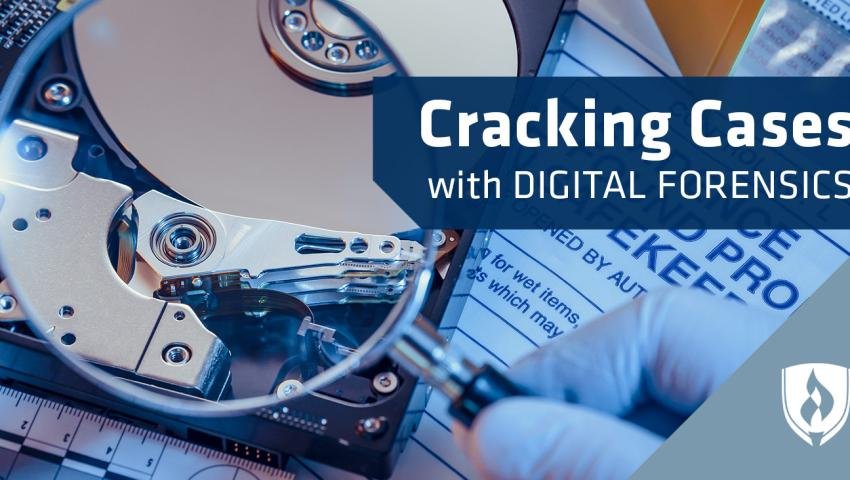
In today’s digital world, cyber forensic tools have become one of the most powerful weapons for law enforcement agencies. From recovering deleted files to tracking hackers across continents, digital forensics plays a crucial role in solving modern crimes.
This blog explores real case studies where cyber forensic tools helped investigators uncover hidden evidence, identify criminals, and deliver justice.
What is Cyber Forensics?
Cyber forensics (also known as digital forensics) involves:
- Collecting digital evidence
- Analyzing devices like computers, smartphones, servers
- Recovering deleted or hidden data
- Presenting findings in court
Common tools used:
- EnCase
- FTK (Forensic Toolkit)
- Autopsy
- Cellebrite UFED
- Wireshark
Case Study 1: The BTK Killer – Digital Evidence That Exposed a Serial Killer


Background
The BTK Killer (Dennis Rader) terrorized Kansas for decades. He communicated with police through letters and eventually a floppy disk.
Forensic Breakthrough
Investigators used digital forensic analysis to examine the floppy disk:
- Extracted metadata from the file
- Found the name of a church and user “Dennis”
- Linked it directly to the suspect
Result
Dennis Rader was arrested in 2005 after decades of evasion.
Key Lesson
👉 Even deleted or hidden metadata can expose criminals.
Case Study 2: The Silk Road Dark Web Marketplace


Background
Silk Road was a dark web marketplace used for illegal drugs and services.
Forensic Tools Used
- Network forensics tools to monitor traffic
- Blockchain analysis tools to trace Bitcoin transactions
- Laptop forensic imaging
Investigation
Authorities tracked:
- Admin login activities
- Bitcoin wallet transactions
- Chat logs and server data
Result
Founder Ross Ulbricht was arrested in 2013 and sentenced to life imprisonment.
Key Lesson
👉 Cryptocurrency is traceable with advanced forensic tools.
Case Study 3: Mobile Forensics in a Murder Investigation


Background
In many murder cases, smartphones become the primary source of evidence.
Tools Used
- Cellebrite UFED
- Oxygen Forensics
Evidence Recovered
- Deleted WhatsApp chats
- Call logs
- GPS location history
- Photos and videos
Result
Police reconstructed the timeline and identified the suspect.
Key Lesson
👉 Your smartphone holds a complete digital footprint.
Case Study 4: Tracking Hackers Using Network Forensics


Background
A company suffered a major data breach.
Tools Used
- Wireshark
- TCPdump
- Intrusion Detection Systems (IDS)
Investigation Process
- Captured network packets
- Identified suspicious IP addresses
- Traced attack patterns
Result
Hackers were tracked and arrested with digital proof.
Key Lesson
👉 Network logs are critical in identifying cyber attackers.
Case Study 5: Cloud Forensics in Financial Fraud


Background
A financial fraud case involving cloud-stored data.
Tools & Techniques
- Cloud log analysis
- Email tracing
- Access history monitoring
Evidence Found
- Unauthorized login locations
- Suspicious file transfers
- Email fraud trails
Result
Authorities uncovered the fraud network and recovered funds.
Key Lesson
👉 Cloud data leaves behind traceable logs.
How Digital Evidence is Used in Court
Digital forensic evidence must follow strict rules:
- Chain of custody
- Data integrity verification
- Expert testimony
- Forensic reports
👉 Courts rely heavily on accurate and tamper-proof digital evidence.
Why Cyber Forensics is More Important Than Ever
With rising cybercrime in 2026:
- Online frauds
- Dark web crimes
- Identity theft
- Ransomware attacks
👉 Law enforcement depends on forensic tools to:
- Solve crimes faster
- Track global criminals
- Provide strong legal evidence
Conclusion
Cyber forensic tools have transformed modern investigations. From catching serial killers to dismantling dark web empires, digital evidence is now the backbone of law enforcement.
🔑 Final Takeaways:
- Deleted data is rarely gone forever
- Smartphones are goldmines of evidence
- Even anonymous networks can be traced
- Digital footprints always exist
Mrityunjay Singh
Leave a comment
Your email address will not be published. Required fields are marked *