
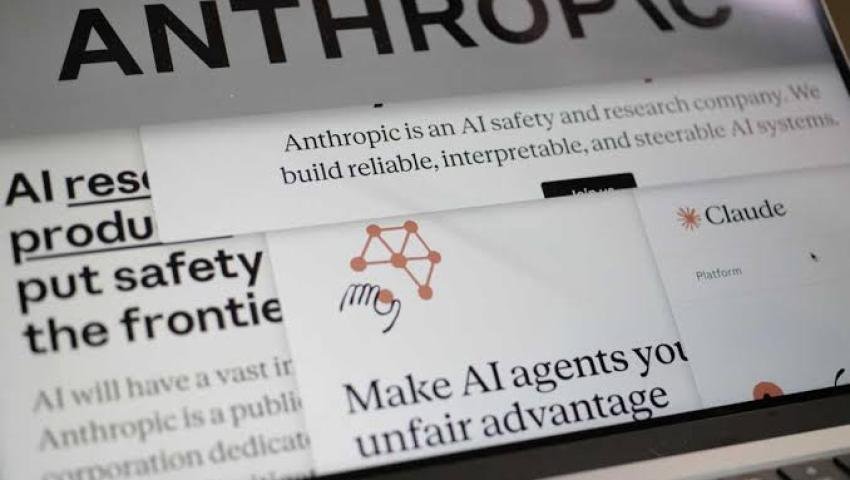
Anthropic's Cybersecurity Push in 2026: How AI Is Changing Security Testing
-
 By Mrityunjay Singh
- BLOGS
- Oct 23, 2026
- 5 minutes read
- 26 Views
Explore Anthropic's cybersecurity initiatives, AI-powered vulnerability discovery, defensive security testing, and what businesses should know about AI-driven cyber risks.
Artificial intelligence is changing how organizations build software, analyze information, and defend digital infrastructure. It is also changing the way cybersecurity professionals identify vulnerabilities and investigate potential attacks.
In October 2026, Anthropic announced its Cyber Mission, a long-term commitment to securing important digital systems. The company also announced an expanded Cyber Verification Program that provides qualifying security professionals with access to advanced cyber capabilities for authorized defensive work and testing. Sources: Anthropic Security and Anthropic Newsroom.
These developments highlight a major shift in cybersecurity: AI is becoming a tool for both security research and defence, while its misuse creates new challenges for organizations.
What Is Anthropic's Cybersecurity Initiative?
Anthropic develops AI systems, including the Claude family of models. Its cybersecurity initiatives focus on the potential for advanced AI to support defensive security work while addressing the risks associated with malicious use.
The company's Cyber Mission, announced on October 8, 2026, reflects its stated commitment to securing critical digital systems. Its expanded Cyber Verification Program, announced in October, is intended to give qualifying security teams access to advanced capabilities for authorized security work. Source: Anthropic Security.
This does not mean every user automatically receives access to every cybersecurity capability. Eligibility, authorization, and applicable safeguards matter.
How Can AI Help Cybersecurity Professionals?
1. Vulnerability Discovery
AI systems can assist with reviewing code, identifying potentially unsafe patterns, and helping researchers investigate software weaknesses.
The results still require validation. A suggested vulnerability may be a false positive, incomplete, or irrelevant to the actual deployment.
2. Security Code Review
AI can help developers inspect code for common security mistakes, such as insufficient input validation, unsafe handling of sensitive information, or incorrect access-control checks.
It should complement established code-review practices, automated testing, and expert assessment rather than replace them.
3. Penetration Testing Support
Authorized security teams may use AI to help plan assessments, organize findings, interpret test results, and produce reports.
Any testing of live systems should remain within a clearly authorized scope. AI assistance does not remove the need for permission or responsible disclosure.
4. Incident Response
AI can help security teams summarize alerts, correlate information, and organize investigation notes.
Human analysts must still validate evidence, assess business impact, and decide what response is appropriate.
Why AI Cybersecurity Also Creates Risks
AI can lower the effort needed to complete some technical tasks. Criminals may misuse AI to improve phishing messages, automate parts of vulnerability research, or organize information obtained from compromised systems.
Anthropic's September 2026 threat-intelligence report describes investigations into malicious activity involving its AI systems, including cyber operations, scams, and other forms of misuse. The company says it disrupted the activity it identified and strengthened safeguards. Source: Anthropic Threat Intelligence Report.
These reports show why AI security requires more than building capable models. Providers and users also need controls that restrict unauthorized activity and protect sensitive information.
What Should Businesses Do Now?
Businesses do not need to wait for future AI developments before improving their security.
Start with these practical steps:
- Maintain an inventory of websites, APIs, applications, and cloud assets.
- Apply security updates promptly.
- Use multifactor authentication and least-privilege access.
- Store passwords, API keys, and tokens securely.
- Review AI tools before connecting them to private repositories or company systems.
- Restrict what AI agents can access or change.
- Require human approval for high-impact actions.
- Conduct authorized vulnerability assessments and penetration tests.
- Monitor unusual activity and prepare an incident-response plan.
These controls remain important whether security testing is performed manually, through conventional automation, or with AI assistance.
What Does This Mean for Ethical Hackers?
AI does not eliminate the need for ethical hackers. Instead, it may change the way security professionals spend their time.
Automated systems can help with repetitive checks and initial analysis. Skilled professionals remain essential for validating results, understanding application architecture, assessing real-world risk, and recommending fixes.
Ethical hackers must also follow clear authorization and responsible-disclosure rules. A powerful AI tool does not make testing an unrelated system without permission acceptable.
Where Does Automated Penetration Testing Fit In?
Automated penetration-testing platforms can help organizations identify common security weaknesses and review findings more efficiently.
Platforms such as PentestRadar are positioned around making vulnerability assessment and automated security testing more accessible to startups and MSMEs.
AI-assisted tools should be evaluated on their actual capabilities, supported assets, accuracy, reporting quality, and authorization controls. They should not be assumed to detect every vulnerability or replace all forms of manual testing.
Conclusion
Anthropic's cybersecurity initiatives reflect a broader industry movement toward using AI to strengthen security while managing the risks of misuse.
For organizations, the most important response is practical: protect credentials, restrict access, patch vulnerabilities, validate security findings, and use AI tools under clear controls.
For cybersecurity professionals, AI creates opportunities to work more efficiently—but authorization, sound judgement, and responsible disclosure remain essential.
The future of cybersecurity will depend not just on how capable AI becomes, but on how responsibly people use it.
Mrityunjay Singh
Leave a comment
Your email address will not be published. Required fields are marked *